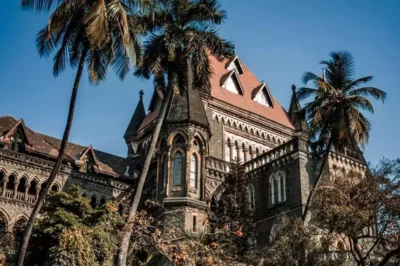
The Bombay High Court has dealt a significant blow to the Indian government’s efforts to regulate online content by striking down certain amendments to the Information Technology Rules of 2023 as unconstitutional. Justice AS Chandurkar issued the ruling last week, following a split verdict earlier this year by Justices GS Patel and Neela Gokhale.
The challenged amendments sought to impose stricter content moderation obligations on social media platforms, including the appointment of grievance officers, tracing the origin of viral messages, and removing content deemed “harmful” or “false.” Critics argued that these provisions were overly broad and violated fundamental rights such as freedom of speech and expression.
Justice Chandurkar agreed with the dissenting view of Justice Patel, concluding that some of the amendments were “excessive” and “unreasonable.” He emphasized the importance of maintaining a balance between regulating harmful content and protecting freedom of speech online.
The ruling is a setback for the government’s digital media policy and is likely to have far-reaching implications for the online landscape in India. It raises questions about the extent of government control over digital platforms and the rights of internet users to express themselves freely.
It remains to be seen how the government will respond to the court’s decision. It may choose to appeal the ruling or consider revising the IT Rules to address the concerns raised by the court.
The Bombay High Court’s ruling is a significant setback for the Indian government’s digital media policy. It affirms the importance of protecting freedom of speech and expression online while also recognizing the need for reasonable content moderation. The decision is likely to have far-reaching implications for the online landscape in India and may prompt the government to reconsider its approach to regulating digital platforms.







Leave a Reply