
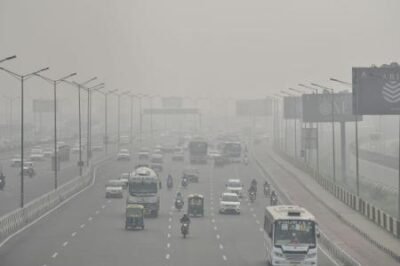
Delhi’s air quality continues to deteriorate, with the Air Quality Index (AQI) reaching “severe” levels, severely reducing visibility and prompting urgent measures. As part of the Graded Response Action Plan (GRAP) Stage 3, which targets critical pollution levels, the Delhi government has implemented stricter restrictions to mitigate health risks. Among these measures, classes for primary school students have been shifted online to minimize children’s exposure to harmful pollutants.
Current Air Quality Situation in Delhi NCR
Delhi has faced severe pollution issues for years, and with winter approaching, the AQI has once again surged to alarming levels. The city’s geographical location, coupled with stagnant air and seasonal stubble burning in nearby states, exacerbates the air quality, trapping pollutants and causing smog that reduces visibility. Today, the AQI remains in the “severe” category, reflecting dangerously high levels of fine particulate matter (PM2.5), which can severely impact respiratory and cardiovascular health.
The National Capital Region (NCR), including neighboring cities like Gurgaon, Noida, and Ghaziabad, is similarly affected. With visibility significantly reduced, residents face daily disruptions, while healthcare facilities brace for a potential increase in respiratory-related hospital visits.
GRAP Stage 3: Emergency Measures in Place
The Delhi government has escalated the Graded Response Action Plan (GRAP) to Stage 3 to address the escalating crisis. GRAP is a set of protocols aimed at tackling pollution through tiered measures that intensify based on air quality. Stage 3 represents an emergency response, imposing restrictions such as a ban on construction and demolition activities (except for essential projects), limiting truck movement, and shutting down certain industries that contribute to pollution.
Furthermore, water sprinkling and road cleaning activities have increased to settle dust, a major pollutant in the NCR region. GRAP’s implementation aims to mitigate pollution levels, although residents are urged to take additional precautions for their safety.
Primary Schools Shift to Online Classes
With air quality posing severe health risks, the Delhi government has announced that primary school classes will temporarily shift online. This move prioritizes the health and well-being of young children, who are more vulnerable to respiratory illnesses exacerbated by poor air quality. Schools and parents are also advised to limit outdoor activities, ensuring children’s safety amid this pollution crisis.
Public Health Recommendations
Residents are advised to minimize outdoor exposure, particularly during peak pollution hours in the morning and evening. The use of N95 masks and air purifiers is recommended, as they can help reduce exposure to harmful airborne particles. The government also encourages carpooling, working from home where possible, and reducing vehicle usage to limit emissions that contribute to the pollution levels.
Future Outlook and the Need for Long-Term Solutions
Delhi’s annual pollution crisis underscores the urgent need for long-term solutions, including stricter controls on industrial emissions, improved public transport infrastructure, and sustainable agricultural practices to reduce stubble burning. Collaborative efforts between the central and state governments, along with awareness campaigns, could mitigate the severity of Delhi’s pollution problem over time.
Conclusion: A Call for Collective Action
Delhi’s severe pollution levels and the emergency measures in place highlight a pressing public health crisis. As immediate actions are taken to address the worsening air quality, the situation calls for collective and sustained efforts to reduce pollution and create a healthier environment for residents. Through strict enforcement of GRAP, public compliance, and policy reforms, Delhi can work towards alleviating its pollution challenges and improving the quality of life for its citizens.




Leave a Reply