
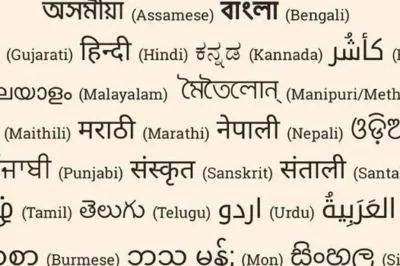
The rise of regional languages in Indian literature is a testament to the country’s rich linguistic and cultural diversity. While Hindi and English have traditionally dominated India’s literary landscape, the growing influence of regional languages such as Bengali, Tamil, Malayalam, and Assamese literature is reshaping the nation’s literary canon. These languages, through their unique expressions and deep-rooted cultural contexts, are driving a renaissance in Indian literature by showcasing vernacular storytelling and providing a platform for regional authors in India.
The Growth of Regional Language Books
Regional language books have become a significant part of India’s publishing industry, driven by readers seeking stories that resonate with their local culture, history, and traditions. These books reflect the everyday lives of people in different states and regions, portraying the richness of their linguistic and cultural experiences. Whether it’s the magical realism of Malayalam literature, the political narratives in Tamil works, or the poetic brilliance of Assamese literature, regional language books are offering diverse perspectives that were often sidelined in mainstream literature.
The increased availability of translated works has also allowed readers from other linguistic backgrounds to access and appreciate these stories. Many acclaimed regional authors are now being introduced to a wider audience through translations into Hindi, English, and other Indian languages. This cross-pollination of literary works is enhancing Indian literary diversity and breaking the language barriers that once limited the reach of regional literature.
Vernacular Storytelling: Rooted in Tradition
Vernacular storytelling plays a vital role in preserving and promoting India’s regional cultures. Unlike urban narratives commonly found in Hindi and English literature, regional literature often delves into folk traditions, rural life, and local customs. The themes in these works are deeply intertwined with the socio-political landscapes of their regions, offering insights into the struggles, aspirations, and unique identities of their people.
For example, Assamese literature often reflects the region’s natural beauty, political strife, and cultural identity, while Marathi literature vividly portrays the legacy of the Marathas and the social reforms of 19th-century Maharashtra. These stories, told in local languages, retain the authenticity and nuances of the region, ensuring that the cultural context remains intact for readers.
Indian Literary Diversity: Celebrating Multilingualism
Indian literary diversity is one of the country’s greatest strengths. With over 22 officially recognized languages and hundreds of dialects, the literary output from different regions adds layers of depth to India’s cultural and literary fabric. The growing recognition of regional authors in India—from celebrated Tamil poet Subramania Bharati to Assamese author Indira Goswami—highlights the important role that regional languages play in the evolution of Indian literature.
This diversity is not only a reflection of India’s multilingualism but also an avenue for addressing complex societal issues. Regional authors often use their works to explore themes of caste, gender, and identity, which resonate deeply within their local contexts. As such, the inclusion of regional languages in Indian literature is enriching the country’s literary heritage while giving a voice to underrepresented communities.
The Future of Regional Languages in Indian Literature
The future of regional languages in Indian literature looks promising, with the increasing digitization of books and the rise of regional language platforms. As more readers turn to e-books and audiobooks, regional literature is becoming more accessible, further expanding its reach. Initiatives by publishers and literary festivals to celebrate regional authors and languages are also playing a key role in sustaining this momentum.
The shift towards embracing regional language books is not just a literary trend; it’s a cultural movement. As Indian literature continues to evolve, the stories told in regional languages will remain essential in capturing the full spectrum of India’s linguistic and cultural identity.
Conclusion: A Literary Renaissance
The rise of regional languages in Indian literature is ushering in a new era of literary diversity, with vernacular storytelling and regional authors in India playing a pivotal role in shaping contemporary Indian narratives. Through their unique voices and cultural insights, these writers are driving the evolution of Indian literature, ensuring that every region’s stories and experiences are heard.







Leave a Reply