
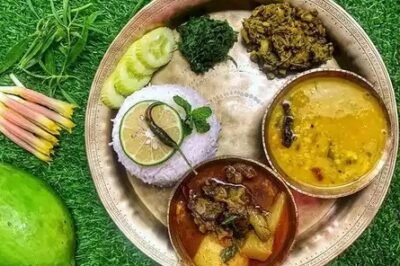
Assamese cuisine is a vibrant reflection of the region’s rich culture, history, and biodiversity. Rooted in simplicity and freshness, it offers a unique culinary experience by combining local ingredients and indigenous cooking techniques. The food culture of Assam is heavily influenced by the region’s rivers, forests, and seasonal produce, resulting in a cuisine that emphasizes fresh flavors, minimal oil, and aromatic spices. Whether it’s the tangy fish curries or the fragrant rice dishes, Assamese cuisine captures the essence of the land.
Traditional Assam Food: A Journey of Flavors
One of the defining characteristics of traditional Assam food is the focus on natural flavors and minimal use of heavy spices. Assamese dishes typically feature a mix of sweet, sour, and bitter tastes, with rice being the staple component. The fertile plains of Assam produce a variety of rice types, such as joha rice and sticky bora rice, both of which are integral to the local diet.
Fish is another cornerstone of Assamese meals. The abundance of rivers and ponds provides a wealth of freshwater fish, which are cooked in different ways—boiled, steamed, or fried—with minimal spices, allowing the freshness of the fish to shine through. Fish-based dishes like Masor Tenga (a tangy fish curry) are iconic in Assamese cuisine and are often made using tomatoes or lemon to enhance the sour flavor.
Key Ingredients in Assam Culinary Heritage
Assam culinary heritage is deeply connected to its environment, with local herbs, spices, and vegetables playing a significant role in the cuisine. Mustard oil is the primary cooking medium, which gives a distinct pungency to the dishes. Green leafy vegetables, bamboo shoots, and fermented foods are also frequently used, adding complexity and depth to the meals.
Another hallmark of Assamese recipes is the use of fermented fish (shidol) and fermented bamboo shoots (khorisa), which are added to curries or chutneys to bring in bold flavors. Additionally, the use of black sesame seeds, lentils, and dried fish helps distinguish Assamese dishes from other Indian cuisines.
Famous Assam Local Dishes
When exploring Assam local dishes, there are several that stand out for their distinctive flavors and cultural importance. Apart from Masor Tenga, dishes like Khar (a unique alkaline dish made with raw papaya, pulses, and dried banana peel) and Duck with Ash Gourd are highly celebrated. These dishes showcase the ability of Assamese cuisine to balance flavors while incorporating seasonal and local produce.
Pitha, a type of rice cake, is a popular snack or dessert during Bihu, Assam’s harvest festival. There are various types of pitha, such as Til Pitha (with sesame filling) and Narikol Pitha (with coconut filling), each adding to the festive spirit and culinary diversity of Assam.
Preserving the Food Culture of Assam
The food culture of Assam goes beyond just flavors; it is intertwined with the state’s traditions and festivals. Meals are often cooked using ancient methods such as slow cooking over wood fires or fermenting ingredients, practices that have been passed down through generations. As Assamese cuisine continues to evolve, there is a growing effort to preserve these traditional cooking methods and Assamese recipes, ensuring that the region’s culinary heritage is passed on to future generations.
Conclusion: A Celebration of Assamese Cuisine
Assamese cuisine offers a unique blend of flavors, textures, and traditions that reflect the rich cultural and environmental diversity of the state. From its focus on fresh ingredients and minimal spices to its unique use of fermented foods, the cuisine tells a story of Assam’s culinary heritage. As people around the world discover the treasures of Assam local dishes, this flavorful cuisine will continue to gain appreciation for its authenticity and deep cultural roots.







Leave a Reply