
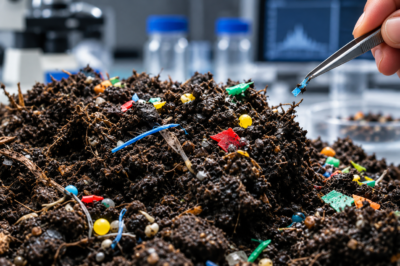
Plastic pollution is no longer confined to oceans, rivers and coastlines. Increasing scientific attention is turning toward an equally concerning problem beneath our feet: the growing presence of microplastics in agricultural soil. These particles, generally smaller than five millimetres, are increasingly being recognised not simply as persistent waste but as potential carriers of other pollutants through terrestrial ecosystems.
Microplastics can attract and accumulate chemicals such as pesticides, industrial pollutants and heavy metals on their surfaces. When soil organisms, plant roots or other biological systems come into contact with these particles, associated contaminants may become more biologically available. This so-called “Trojan horse” effect raises concerns about how pollutants could move through soil, crops and ultimately the food chain.
Agricultural practices themselves can contribute to the problem. Plastic mulch used for farming can gradually fragment and remain in fields, while sewage sludge applied as fertiliser may introduce microplastics originating from household and industrial wastewater. Their accumulation can alter soil structure, water retention and conditions required for healthy root development.
The consequences may also extend to soil biodiversity. Microplastics and chemicals released from them can affect microorganisms and earthworms that are essential for nutrient cycling, soil aeration and fertility. A decline in these organisms could weaken the resilience of agricultural ecosystems.
Potential human-health implications remain an important area of scientific investigation. Concerns include exposure to microplastics and the pollutants they may carry, although the long-term effects of such combined exposure are still being studied.
Addressing the issue will require stronger monitoring, improved wastewater treatment, responsible agricultural practices, safer materials and greater investment in sustainable alternatives. Protecting soil from plastic contamination is increasingly becoming an essential part of protecting food security and environmental health for future generations.






Leave a Reply