
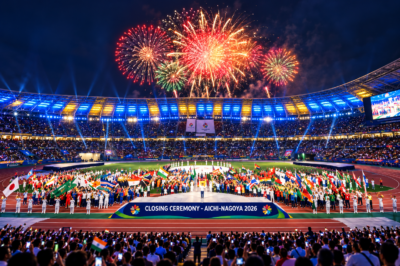
The Aichi-Nagoya 2026 Asian Games marked an important new chapter in the history of continental sport. Bringing together more than 12,000 athletes from 45 nations, the Games celebrated sporting excellence while presenting a forward-looking vision based on innovation, sustainability and cultural cooperation.
One of the most significant features was the regional hosting model. Rather than concentrating activities in a single city, competitions were distributed across Aichi Prefecture, making effective use of upgraded existing facilities in Nagoya and neighbouring municipalities. The renovated Mizuho Stadium served as a major centrepiece, while the athletes’ village was designed with a long-term vision, including its future conversion into housing and community facilities.
Technology played an equally important role. Autonomous transport, digital mobility systems, artificial intelligence in officiating and crowd management, 8K broadcasting and augmented-reality applications transformed the experience of athletes and spectators. Environmental responsibility was also integrated into the Games through renewable energy, water-recycling systems and the use of recycled electronic materials for medals.
The sporting competition itself reflected the changing balance of Asian sport. Traditional powers continued to perform strongly, while India, Uzbekistan, Kazakhstan and other nations demonstrated growing strength in athletics, shooting, wrestling and boxing. Esports further connected the Games with younger generations.
Beyond sport, Aichi-Nagoya strengthened cultural understanding through the Asian Village, volunteer participation and the celebration of Japanese traditions. Its economic and infrastructural legacy is expected to continue through tourism, employment, innovation and post-Games use of facilities.
As the Games handed over the Asian sporting legacy to Doha 2030, Aichi-Nagoya demonstrated that the future of major sporting events can be technologically advanced, environmentally responsible and deeply connected with local communities.






Leave a Reply