
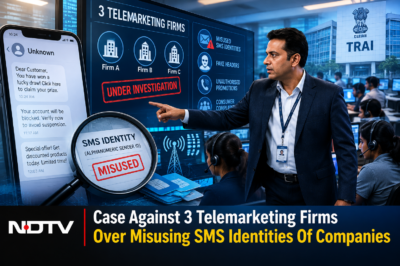
The reported case against three telemarketing firms for allegedly misusing the SMS identities of established companies has raised significant concerns about digital security and corporate accountability in India. As mobile messaging remains essential for banking alerts, one-time passwords (OTPs), delivery updates and promotional communications, protecting the authenticity of message senders has become increasingly important.
The controversy centres on the alleged unauthorised use of SMS headers, the identifiers that help recipients recognise messages from businesses and institutions. Under India’s telecom regulatory framework, registered headers and message templates are intended to prevent impersonation and unsolicited commercial communications. However, the reported allegations suggest that weaknesses in verification or compliance may allow certain entities to misuse trusted identities.
Such practices can make fraudulent messages appear genuine, increasing the risk of SMS phishing, commonly known as smishing. Unsuspecting users may be persuaded to click malicious links, disclose confidential information or fall victim to financial fraud. The misuse of a company’s identity can also damage its reputation, weaken customer confidence and create additional costs for investigating complaints and correcting misinformation.
India’s regulatory framework, including the Telecom Commercial Communications Customer Preference Regulations, 2018, and the distributed ledger technology (DLT) system, aims to improve transparency and control unsolicited messages. Nevertheless, effective enforcement, accurate registration and verification of authorised telemarketers remain essential. The reported investigation may also examine whether applicable provisions of the Information Technology Act and other laws have been violated. Any legal responsibility will depend on the findings of the authorities.
Technology could play an important role in preventing similar incidents. Artificial intelligence and machine-learning systems can help identify unusual messaging patterns, while stronger authentication mechanisms could make it more difficult to impersonate legitimate businesses. Telecom operators, companies and messaging service providers must also strengthen monitoring and ensure that registered headers are used only for authorised purposes.
Ultimately, the case highlights the need for stricter compliance, greater accountability and improved consumer awareness. Mobile users should remain cautious about unexpected messages requesting personal details, payments or urgent action, even when the sender appears familiar.
Protecting digital communication requires cooperation between regulators, telecom operators, businesses and consumers. Stronger safeguards and transparent enforcement can help preserve trust in SMS services and support a safer digital economy.







Leave a Reply