
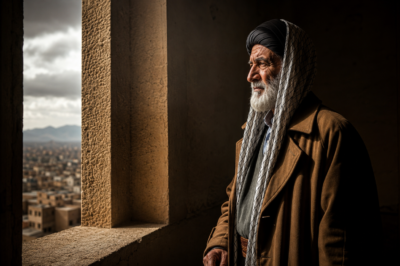
Tehran appears to be betting on endurance rather than confrontation, combining economic adaptation, regional influence and closer ties with non-Western powers to withstand continued pressure from Washington.
The geopolitical contest between Iran and the United States is entering a new phase—one increasingly defined not by immediate confrontation, but by patience, endurance and long-term strategic calculation.
Iran’s approach appears to focus on avoiding a direct war with the United States while maintaining pressure through regional partners and preserving its ability to withstand sanctions. This strategy reflects Tehran’s experience during the previous U.S. “Maximum Pressure” campaign and its growing confidence in alternative economic and diplomatic partnerships.
Lessons from the Maximum Pressure Era
The withdrawal of the United States from the Iran nuclear agreement in 2018 dramatically intensified tensions. Washington imposed sweeping sanctions targeting Iran’s oil exports, financial system and industrial sectors. Rather than capitulating, Tehran sought alternative channels for trade and finance while strengthening relationships with countries such as China and Russia.
Iran now portrays this experience as evidence that it has learned to operate under sustained Western pressure.
Regional Influence Without Direct War
A major element of Tehran’s strategy is its network of regional partners and armed groups. Hezbollah in Lebanon, militias in Iraq and Syria, and the Houthi movement in Yemen form part of a wider regional influence structure associated with Iran.
This approach allows Tehran to exert pressure on U.S. interests and allies without necessarily entering into a conventional war with Washington. Analysts often describe such tactics as “grey-zone” competition, where military, political and economic pressure remains below the threshold of full-scale conflict.
The China-Russia Connection
Iran’s strategic calculations have also been strengthened by the emergence of a more multipolar international system. Growing cooperation with China and Russia provides Tehran with alternative diplomatic and economic avenues, reducing its dependence on Western markets and institutions.
Iran’s engagement with platforms such as BRICS+ and the Shanghai Cooperation Organisation further reflects its effort to strengthen relations with countries seeking greater distance from traditional U.S.-dominated structures.
A Strategy Carrying Serious Risks
However, Tehran’s strategy is not without danger. Prolonged regional confrontation creates a constant possibility of miscalculation. A major attack resulting in significant American casualties could trigger a military response far beyond what Iran intends.
Iran also faces domestic economic pressures, including inflation, currency weakness and social challenges. Its strategy therefore depends not only on Washington’s willingness to remain engaged in the region, but also on Tehran’s own ability to withstand prolonged economic and political pressure.
The Road Ahead
Iran’s evolving strategy suggests that the U.S.-Iran rivalry has moved beyond the traditional question of sanctions and nuclear negotiations. It is increasingly a contest over regional influence, economic resilience, strategic alliances and political endurance.
Whether Tehran’s long-term approach succeeds will depend on how effectively it can manage escalation while sustaining its economy and regional partnerships. For Washington, the challenge will be equally difficult: maintaining strategic pressure without becoming trapped in another prolonged Middle Eastern confrontation.
The result could be a prolonged geopolitical contest in which patience itself becomes a weapon—with both Washington and Tehran testing which side can endure longer.






Leave a Reply