
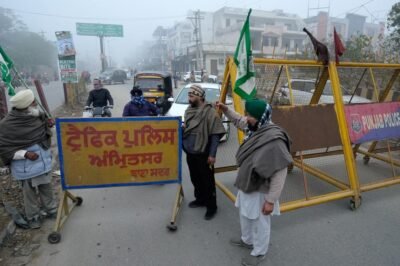
The Punjab bandh called by farmers’ unions on December 29 disrupted daily life across the state, with rail and bus services being heavily impacted. The protest, organized by Samyukta Kisan Morcha (Non-political) and Kisan Mazdoor Morcha, aimed to pressure the central government to meet the demands of farmers. As roads were blocked and transportation services suspended, commuters bore the brunt of the statewide shutdown.
The Protest and Its Objectives
The call for the Punjab bandh was announced last week as part of ongoing efforts to draw attention to the issues faced by farmers. At the center of the agitation are demands for fair crop prices, implementation of Minimum Support Price (MSP) guarantees, and solutions to debt-related challenges. Farmers are also protesting against policies they believe undermine their livelihoods, such as delayed payments and inadequate compensation for crop losses due to extreme weather conditions.
The unions have accused the central government of failing to act on previous promises made during earlier rounds of negotiations. They are demanding tangible solutions, including legal assurances for MSP and financial relief for struggling farmers.
Statewide Disruption of Services
The bandh caused significant disruptions, with major highways and arterial roads blocked at multiple points. Farmers used tractors, trolleys, and other vehicles to create roadblocks, bringing traffic to a standstill in many areas. Rail services were also suspended, with several trains canceled or delayed, leaving passengers stranded.
Bus services were similarly affected, with state-run buses unable to operate on key routes. This resulted in inconvenience for commuters, particularly students, office-goers, and those needing medical care. Several markets and businesses remained shut, adding to the bandh’s economic impact.
Impact on Daily Life
The protest had a ripple effect on daily activities across Punjab. Schools and colleges saw low attendance as students struggled to find transportation. Freight movement was severely impacted, disrupting the supply chain of essential goods and services. Hospitals and emergency services reported delays due to blocked roads, raising concerns about the potential risks posed by such shutdowns.
Commuters voiced their frustration, though many expressed solidarity with the farmers’ cause. A local resident from Ludhiana stated, “While the inconvenience is undeniable, it’s important to stand with our farmers who feed the nation.”
Government Response and Political Reactions
The Punjab government has called for calm, urging both protesters and residents to avoid escalation. Law enforcement authorities were deployed at key points to manage the situation and prevent any untoward incidents. However, their approach remained cautious to avoid antagonizing the protesters.
Political leaders across party lines have reacted differently to the bandh. Some opposition leaders criticized the central government for its inaction, accusing it of neglecting farmers’ concerns. Meanwhile, the ruling coalition reiterated its commitment to addressing agricultural issues through dialogue.
Broader Implications of the Protest
The Punjab bandh underscores the growing frustration among farmers and the urgent need for resolution. The disruption caused by the protest serves as a reminder of the critical role farmers play in the nation’s economy and the challenges they face. The demands for MSP guarantees and debt relief reflect systemic issues in India’s agricultural sector, which require comprehensive policy interventions.
Conclusion
The Punjab bandh is a powerful statement of unity among farmers, bringing their grievances to the forefront of national attention. While the disruption has caused significant inconvenience, it highlights the urgency of addressing agricultural distress. As the central government navigates these challenges, meaningful dialogue and concrete actions will be essential to restore trust and ensure the welfare of India’s farming community.






Leave a Reply