
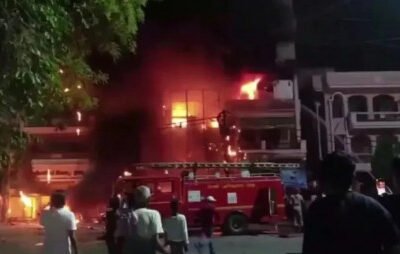
In a tragic incident that underscores the vulnerabilities in healthcare safety, a fire broke out in the neonatal intensive care unit (NICU) of Maharani Laxmibai Medical College in Jhansi, Uttar Pradesh. The blaze, which is suspected to have been caused by a short circuit, claimed the lives of 10 infants, leaving families devastated and raising serious questions about fire safety in healthcare institutions.
The Incident: A Devastating Loss
The fire erupted in the early hours, quickly engulfing the NICU where newborns were being treated. The critical condition of the infants, combined with the speed of the fire, left little time for evacuation. Hospital staff and emergency responders acted swiftly to control the blaze and rescue other patients, but the damage to the NICU was already extensive.
Eyewitness accounts describe chaotic scenes as parents and medical personnel tried desperately to save lives. Many families are now mourning the loss of their children, demanding accountability and answers from hospital authorities.
Immediate Response and Relief Measures
The Uttar Pradesh government has announced an ex gratia compensation of ₹4 lakh for each victim’s family. Additionally, a committee has been set up to investigate the cause of the fire and determine whether lapses in safety protocols contributed to the tragedy. Authorities have promised swift action against those found responsible and assured that lessons from this incident will guide safety reforms.
Questions of Accountability
While the fire may have originated from a short circuit, the tragedy highlights systemic flaws in hospital safety measures. Experts point to several critical lapses:
- Inadequate Fire Safety Equipment: Reports suggest that the hospital lacked functioning fire suppression systems in the NICU, despite it being a high-risk area.
- Poor Maintenance: Electrical systems in older hospitals often go unchecked for years, increasing the risk of short circuits and other malfunctions.
- Delayed Response Plans: The lack of clear evacuation protocols for emergencies contributed to the high number of casualties.
These failings point to the urgent need for stricter enforcement of fire safety regulations in public hospitals.
The Broader Context: Safety in Indian Hospitals
This incident is not isolated. Across India, hospitals often operate with outdated infrastructure and insufficient safety protocols. Fires in healthcare facilities have occurred repeatedly, underscoring a lack of preparedness. High-risk units, such as NICUs, require more stringent safety measures, including:
- Regular fire drills and staff training.
- Upgraded electrical systems and inspections.
- Advanced fire detection and suppression technology.
A Call for Reform
Public outrage over the incident has intensified calls for systemic changes. Health experts argue that implementing robust safety measures in public healthcare facilities should be a top priority. Allocating funds for upgrading infrastructure and ensuring compliance with fire safety norms will be critical steps to prevent future tragedies.
Conclusion: Turning Tragedy Into Action
The fire at Maharani Laxmibai Medical College in Jhansi has left an indelible mark, emphasizing the need for immediate action to improve hospital safety standards. While the affected families grieve, this tragedy must serve as a wake-up call for authorities to prioritize patient safety. By learning from this incident and implementing robust reforms, India can ensure that such devastating events do not recur.







Leave a Reply